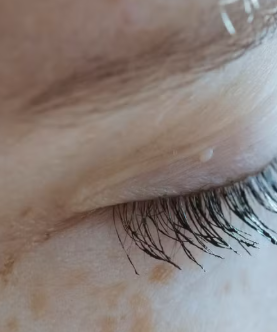
Tiny White Bumps on Eyelids: Common Causes and What They May Mean
Noticing tiny white bumps on your eyelids can be surprising, especially when they appear suddenly or do not go away. These small bumps are usually harmless, but their appearance can raise questions: Are they caused by clogged pores? An infection? Aging? An allergy? Or something that needs medical attention?
The truth is that several different conditions can cause small white or pale bumps around the eyelids. Some are common skin concerns that require little or no treatment, while others may need evaluation from an eye doctor or dermatologist.
Understanding the possible causes, symptoms, and treatment options can help you identify what may be happening and decide what steps to take next.
What Are Tiny White Bumps on Eyelids?
Tiny white bumps on the eyelids are small raised areas that may appear:
- On the upper or lower eyelid
- Along the lash line
- Under the eyes
- Around the corners of the eyes
- On the eyelid skin itself
Their appearance can vary. Some look like tiny white pearls, while others may resemble pimples, small cysts, or hardened spots under the skin.
The cause often depends on factors such as age, skin type, hygiene, skincare products, and underlying health conditions.
Common Causes of Tiny White Bumps on Eyelids
1. Milia (Small Keratin-Filled Cysts)
One of the most common causes of tiny white bumps around the eyes is milia.
Milia are small, harmless cysts that form when keratin, a protein naturally found in skin cells, becomes trapped beneath the skin’s surface.
They often appear as:
- Tiny white or yellowish bumps
- Firm, round spots
- Smooth, pearl-like growths
- Painless areas that do not become red or inflamed
Milia are especially common around the delicate skin of the eyelids and under-eye area.
Why Do Milia Form?
Milia may develop due to:
- Normal skin shedding changes
- Use of heavy skincare products
- Sun damage
- Skin irritation
- Minor skin injuries
Newborns commonly develop milia, but adults can also experience them.
Do Milia Go Away?
Many milia disappear on their own over time. However, persistent bumps can be removed by a dermatologist using professional techniques.
Avoid squeezing or popping milia because the skin around the eyes is delicate and forcing them out may cause irritation or scarring.
2. Clogged Oil Glands (Meibomian Gland Blockage)
The eyelids contain tiny oil glands called meibomian glands. These glands produce oils that help prevent tears from evaporating too quickly.
When these glands become blocked, small bumps may develop.
Possible signs include:
- Small bumps along the eyelid edge
- Dry eyes
- Eye irritation
- A gritty sensation
- Blurry vision that improves with blinking
Blocked glands are often associated with a condition called meibomian gland dysfunction.
What Can Help?
Some supportive measures include:
- Warm compresses on closed eyelids
- Gentle eyelid massage
- Keeping eyelids clean
- Avoiding irritating eye products
If symptoms persist, an eye care professional can recommend additional treatments.
3. Styes (Hordeolum)
A stye is a small, painful lump that develops near the eyelashes due to inflammation or infection of an eyelid gland.
Although styes are often red and swollen, some may begin as small bumps.
Typical symptoms include:
- Tenderness
- Redness
- Swelling
- A bump near the eyelashes
- Watery eyes
Unlike milia, styes are usually uncomfortable and may feel sore.
How Are Styes Treated?
Most styes improve with:
- Warm compresses
- Gentle eyelid cleaning
- Avoiding eye makeup until healed
Do not squeeze a stye, as this can spread infection.
4. Chalazion
A chalazion is a blocked oil gland that creates a firm lump in the eyelid.
Unlike a stye, a chalazion is usually not painful.
It may appear as:
- A round eyelid bump
- A firm lump under the skin
- Swelling that develops gradually
A chalazion may become more noticeable over time.
Treatment Options
Many chalazia improve with:
- Warm compresses
- Eyelid massage
- Medical treatment if persistent
Large or stubborn chalazia may require professional care.
5. Sebaceous Hyperplasia
Sebaceous hyperplasia occurs when oil glands become enlarged.
These bumps are usually:
- Small
- White, yellowish, or skin-colored
- Soft or slightly raised
They are more common with aging and may appear on areas with many oil glands, including around the eyes.
Although harmless, some people choose treatment for cosmetic reasons.
6. Xanthelasma (Cholesterol Deposits)
Xanthelasma causes yellowish patches or bumps around the eyelids.
They are different from tiny white bumps but may sometimes be confused with other eyelid growths.
Characteristics include:
- Flat or slightly raised yellow patches
- Commonly appearing near the inner corners of the eyelids
- Usually painless
Xanthelasma may be associated with elevated cholesterol levels or other metabolic conditions, although it can also occur in people with normal cholesterol.
A healthcare professional can evaluate whether testing is appropriate.
7. Allergic Reactions or Irritation
Sometimes small bumps around the eyelids are caused by irritation or allergies.
Possible triggers include:
- New makeup products
- Eye creams
- Face cleansers
- Fragrances
- Hair products
- Contact lens solutions
Symptoms may include:
- Itching
- Redness
- Burning sensation
- Swelling
- Dryness
Identifying and avoiding the trigger often helps improve symptoms.
8. Viral Skin Conditions
Certain viral infections can cause small bumps around the eye area.
For example, molluscum contagiosum can produce small, smooth bumps that may appear:
- White, pink, or skin-colored
- Dome-shaped
- Sometimes with a small indentation in the center
Because the eye area is sensitive, suspected viral bumps should be evaluated by a healthcare professional.
How to Tell Different Eyelid Bumps Apart
While only a professional diagnosis can confirm the cause, some general differences can provide clues.
Milia
Usually:
- Tiny and white
- Hard
- Painless
- Pearl-like
Stye
Usually:
- Red
- Painful
- Swollen
- Near eyelashes
Chalazion
Usually:
- Firm
- Deeper in the eyelid
- Less painful
Xanthelasma
Usually:
- Yellowish
- Flat or slightly raised
- Near inner eyelids
Allergy-Related Bumps
Usually:
- Itchy
- Irritated
- Associated with redness or swelling
Should You Pop White Eyelid Bumps?
It is tempting to squeeze small white bumps, especially if they resemble pimples. However, popping bumps around the eyes is generally not recommended.
The eyelid area contains delicate skin and important structures.
Squeezing may lead to:
- Skin irritation
- Infection
- Swelling
- Scarring
- Increased inflammation
Professional removal is safer for certain types of bumps, such as persistent milia.
Home Care Tips for Eyelid Bumps
Depending on the cause, simple care may help.
Keep Eyelids Clean
Gently clean the eyelid area with appropriate products and avoid harsh scrubbing.
Use Warm Compresses
Warm compresses may help with blocked glands and some eyelid lumps.
Apply a clean warm cloth for several minutes at a time.
Avoid Heavy Eye Products
Thick creams and oily products may contribute to clogged pores in some people.
Remove Eye Makeup Properly
Leaving makeup on overnight may increase irritation and blockage risk.
Avoid Touching Your Eyes
Frequent touching can transfer bacteria and irritants.
When Should You See a Doctor?
Many tiny white eyelid bumps are harmless, but medical advice is recommended if you notice:
- Rapid growth
- Pain or tenderness
- Redness spreading around the eye
- Vision changes
- Persistent swelling
- Bleeding or crusting
- A bump that does not improve
- Repeated eyelid problems
An eye doctor or dermatologist can determine the cause and recommend appropriate treatment.
How Are Eyelid Bumps Diagnosed?
Diagnosis usually involves a visual examination.
A healthcare professional may ask about:
- How long the bump has been present
- Whether it hurts or itches
- Any changes in size or appearance
- Skincare or makeup products used
- Previous eye conditions
Most eyelid bumps can be identified without complicated testing.
Prevention Tips for Healthy Eyelids
While not all eyelid bumps can be prevented, these habits may support eyelid health:
- Wash hands before touching your eyes
- Replace old eye makeup regularly
- Remove makeup before sleeping
- Avoid sharing eye products
- Clean contact lenses properly
- Use gentle skincare products
Frequently Asked Questions
Are Tiny White Bumps on Eyelids Dangerous?
Most tiny white eyelid bumps are harmless, especially milia. However, unusual or persistent changes should be checked by a professional.
Can Stress Cause Eyelid Bumps?
Stress does not directly cause most eyelid bumps, but it may influence skin health and behaviors that contribute to irritation.
How Long Do Milia Last?
Milia may remain for weeks, months, or longer. Some disappear naturally, while others require professional removal.
Can Eye Cream Cause White Bumps?
Yes. Heavy or pore-clogging products may contribute to small bumps in some people.
Should I Use Acne Products Around My Eyes?
Many acne treatments are too harsh for the delicate eye area. Consult a healthcare professional before applying active ingredients near the eyes.
Final Thoughts
Tiny white bumps on the eyelids are common and often harmless, but they can have several different causes. Milia, blocked oil glands, styes, chalazia, skin irritation, and other conditions can all create small bumps around the eyes.
The best approach is to avoid squeezing or picking at them, maintain gentle eyelid care, and pay attention to changes in size, appearance, or symptoms. Most cases are manageable, but persistent, painful, or unusual bumps deserve professional evaluation.
Understanding what these bumps may mean can help you protect your eye health while avoiding unnecessary worry.

