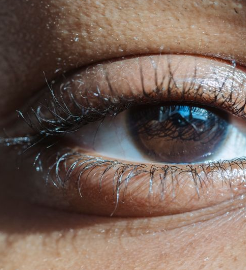
Understanding Eyelash Parasites and Eyelid Skin Conditions: Causes, Symptoms, Treatment, and Prevention
The eyes are among the most sensitive parts of the human body, and the skin around them requires special care. When unusual itching, irritation, swelling, or discomfort develops around the eyelids and eyelashes, it can be caused by several conditions ranging from simple skin irritation to infections or tiny parasites.
Eyelash parasites and eyelid skin conditions may sound alarming, but many of these problems are common and manageable with proper diagnosis and treatment. Conditions such as eyelash mites, pubic lice affecting eyelashes, eyelid dermatitis, blepharitis, and allergic reactions can all produce similar symptoms, making it important to understand the differences.
This comprehensive guide explores the causes, symptoms, treatment options, and prevention strategies for common eyelash and eyelid problems.
What Are Eyelash Parasites?
Eyelash parasites are tiny organisms that live around the eyelashes or eyelid area. Some parasites naturally exist on human skin in small numbers, while others can cause irritation when their population increases or when they are introduced to a new area.
The most common eyelash-related parasites include:
- Eyelash mites
- Pubic lice affecting eyelashes
- Other microscopic organisms associated with skin conditions
Although these parasites are usually small and difficult to see, they can cause noticeable symptoms when they affect the delicate skin around the eyes.
Common Types of Eyelash Parasites
1. Eyelash Mites (Demodex)
Eyelash mites, especially Demodex folliculorum and Demodex brevis, are microscopic organisms that naturally live on human skin.
They are commonly found around:
- Eyelash follicles
- Eyelid glands
- Facial skin
Many people have these mites without experiencing any problems. However, when mite numbers increase, they may contribute to eyelid irritation.
Symptoms Associated With Eyelash Mites
Possible signs include:
- Itchy eyelids
- Burning sensation around the eyes
- Red or swollen eyelids
- Crusty material around eyelashes
- Eyelash loss or thinning
- Feeling like something is in the eye
- Dry or irritated eyes
A buildup of debris around the eyelashes, sometimes described as “collarettes” or dandruff-like flakes, may occur.
2. Pubic Lice on Eyelashes
Although uncommon, pubic lice can affect eyelashes and eyebrows, especially after close contact with an infected person.
Pubic lice are tiny insects that attach to coarse hair and feed on blood. When they infest eyelashes, they can cause significant irritation because the eye area is extremely sensitive.
Signs of Eyelash Lice
Symptoms may include:
- Severe itching around the eyelids
- Visible tiny insects attached to eyelashes
- Small white eggs (nits) attached to lashes
- Redness or swelling
- Eyelid discomfort
Because of the risk of eye injury, treatment around eyelashes requires extra caution.
Common Eyelid Skin Conditions
Not every eyelid problem is caused by parasites. Many conditions affect the eyelid skin and can create similar symptoms.
1. Blepharitis
Blepharitis is inflammation of the eyelid edges. It is one of the most common causes of eyelid irritation.
It may occur because of:
- Bacterial buildup
- Blocked oil glands
- Skin conditions
- Eyelash mites
- Allergies
Symptoms of Blepharitis
Common symptoms include:
- Red eyelid edges
- Burning or stinging
- Crust around eyelashes
- Watery eyes
- Dry eyes
- Sensitivity to light
- Eyelashes sticking together
Blepharitis is often a long-term condition that requires consistent eyelid care.
2. Eyelid Dermatitis
Eyelid dermatitis occurs when the skin around the eyes becomes inflamed or irritated.
Because eyelid skin is thin and delicate, it can react strongly to products that may not bother other areas of the body.
Common Causes
Triggers may include:
- Makeup products
- Eye creams
- Soaps
- Facial cleansers
- Fragrances
- Hair products
- Allergens
Symptoms
Eyelid dermatitis may cause:
- Dry skin
- Redness
- Swelling
- Flaking
- Burning
- Itching
3. Allergic Reactions Around the Eyes
Allergies can affect the eyelids and surrounding skin.
Common triggers include:
- Pollen
- Dust
- Pet allergens
- Cosmetics
- Contact lens solutions
Symptoms often include:
- Puffy eyelids
- Itching
- Watery eyes
- Redness
- Skin irritation
4. Eyelid Infections
Bacterial or viral infections may affect the eyelids and surrounding tissues.
Possible infections include:
- Styes
- Cellulitis
- Conjunctivitis-related irritation
Symptoms that may suggest infection include:
- Pain
- Increasing swelling
- Warmth around the eyelid
- Pus or discharge
- Vision changes
Some infections require prompt medical evaluation.
Causes and Risk Factors
Several factors can increase the likelihood of eyelash or eyelid problems.
Poor Eyelid Hygiene
Not cleaning around the eyelids regularly can allow oils, bacteria, and debris to accumulate.
Makeup Use
Using old or contaminated eye makeup may introduce bacteria or irritants.
Risk factors include:
- Sleeping with makeup on
- Sharing eye cosmetics
- Using expired products
Skin Conditions
People with certain skin conditions may be more likely to experience eyelid irritation.
Examples include:
- Rosacea
- Eczema
- Seborrheic dermatitis
Contact Lens Use
Improper contact lens care can increase the risk of eye irritation and infection.
Close Contact Exposure
Parasites such as pubic lice may spread through close physical contact.
How Are Eyelash Parasites and Eyelid Conditions Diagnosed?
Diagnosis usually involves a careful examination of the eyelids and eyelashes.
A healthcare professional may:
- Examine the eyelash area
- Look for mites, lice, or eggs
- Check for inflammation or infection
- Review symptoms and medical history
A microscope may be used in some cases to identify microscopic organisms.
Because many eyelid conditions look similar, professional evaluation can help determine the correct cause.
Treatment Options
Treatment depends on the underlying problem.
Treating Eyelash Mites
Management may include:
- Gentle eyelid cleaning
- Warm compresses
- Prescription treatments recommended by an eye specialist
- Specialized eyelid cleansers
Avoid using unapproved products near the eyes because the eye area is highly sensitive.
Treating Eyelash Lice
If pubic lice affect eyelashes:
- Medical guidance is recommended
- Specialized removal methods may be needed
- Regular lice treatments should not be applied near the eyes unless specifically approved
Healthcare providers may recommend carefully removing lice and eggs from eyelashes.
Treating Blepharitis
Common approaches include:
Warm Compresses
Applying a warm compress can help loosen crusts and improve oil gland function.
Eyelid Cleaning
Gentle cleaning of eyelid edges may reduce buildup.
Prescription Medication
In some cases, doctors may recommend:
- Antibiotic treatments
- Anti-inflammatory medications
- Other targeted therapies
Treating Eyelid Dermatitis
Treatment may involve:
- Identifying and avoiding triggers
- Using gentle skincare products
- Applying medications recommended by a healthcare provider
Avoid applying harsh creams or products near the eyes without medical advice.
Prevention Tips for Healthy Eyelashes and Eyelids
Maintaining good eyelid hygiene can reduce irritation and discomfort.
Clean Eyelids Gently
Wash your face regularly and keep the eyelid area clean.
Avoid harsh scrubbing because eyelid skin is delicate.
Replace Eye Makeup Regularly
To reduce contamination risk:
- Avoid sharing makeup
- Replace old mascara and eyeliner
- Remove makeup before sleeping
Practice Good Contact Lens Hygiene
Always:
- Wash hands before handling lenses
- Follow cleaning instructions
- Replace lenses as recommended
Avoid Touching or Rubbing Eyes
Frequent rubbing can worsen irritation and spread bacteria.
Wash Bedding and Towels
If a parasite infection is suspected, wash frequently used fabrics to reduce the chance of reinfestation.
When to See a Doctor
Seek professional medical advice if you experience:
- Persistent eyelid itching
- Eye pain
- Vision changes
- Severe swelling
- Discharge from the eye
- Symptoms that do not improve with basic care
- Suspected eyelash parasites
Eye problems should not be ignored because untreated conditions may sometimes affect eye health.
Frequently Asked Questions
Are eyelash mites dangerous?
Most people naturally have small numbers of eyelash mites without problems. They may become an issue when they multiply excessively or contribute to irritation.
Can eyelash parasites cause blindness?
Most eyelash parasites do not cause blindness. However, untreated severe eye infections or inflammation may affect eye health, so persistent symptoms should be checked.
How can I tell if I have eyelash mites?
Possible signs include eyelid itching, crusting around lashes, redness, and irritation. A healthcare professional can confirm the diagnosis.
Can eyelash lice spread to other people?
Yes. Pubic lice can spread through close contact. Personal items such as towels and bedding may also play a role.
Is eyelid itching always caused by parasites?
No. Allergies, dermatitis, dry eyes, infections, and blepharitis are much more common causes of eyelid itching.
Final Thoughts
Eyelash parasites and eyelid skin conditions can cause uncomfortable symptoms, but understanding the possible causes is the first step toward effective management. Problems such as eyelash mites, pubic lice affecting eyelashes, blepharitis, allergies, and dermatitis require different approaches, so accurate identification is important.
Maintaining good eyelid hygiene, avoiding contaminated cosmetics, protecting eye health, and seeking medical advice when symptoms persist can help keep your eyelashes and eyelids healthy.
If you experience ongoing irritation, swelling, pain, or changes in vision, consult an eye care professional for proper evaluation and treatment.
