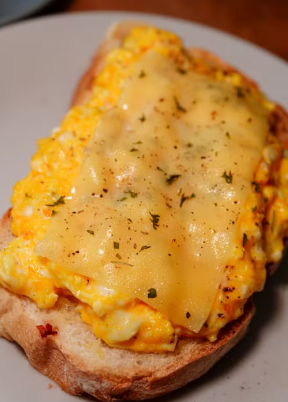
Perfect Scrambled Eggs Recipe for Beginners: A Complete Guide to Soft, Fluffy, and Delicious Eggs Every Time
Introduction
Scrambled eggs are one of the simplest and most popular breakfast dishes in the world. They are quick to prepare, affordable, packed with protein, and incredibly versatile. Yet, despite their simplicity, many beginners struggle to make scrambled eggs that are soft, fluffy, creamy, and flavorful.
If you’ve ever ended up with dry, rubbery, or bland scrambled eggs, you’re not alone. The good news is that making perfect scrambled eggs is easier than you might think. With the right ingredients, proper technique, and a few expert tips, anyone can master this classic breakfast favorite.
In this comprehensive guide, you’ll learn everything you need to know about making perfect scrambled eggs, including ingredient selection, cooking methods, common mistakes to avoid, and delicious serving suggestions.
Why Scrambled Eggs Are a Great Breakfast Choice
Scrambled eggs have remained a breakfast staple for generations because they offer several benefits:
- High in protein
- Quick and easy to prepare
- Budget-friendly
- Suitable for beginners
- Versatile and customizable
- Rich in vitamins and minerals
- Perfect for breakfast, brunch, or light meals
A serving of scrambled eggs provides essential nutrients such as vitamin D, vitamin B12, selenium, and healthy fats that help support overall health and energy levels throughout the day.
Ingredients for Perfect Scrambled Eggs
One of the best things about scrambled eggs is that they require only a few basic ingredients.
Basic Ingredients
- 4 large eggs
- 2 tablespoons milk or cream (optional)
- 1 tablespoon butter
- Salt to taste
- Black pepper to taste
Optional Additions
You can enhance your scrambled eggs with:
- Chopped chives
- Fresh parsley
- Green onions
- Grated cheese
- Diced tomatoes
- Mushrooms
- Spinach
- Bell peppers
- Cooked bacon
- Smoked salmon
For beginners, it’s best to master the basic recipe before experimenting with additional ingredients.
Choosing the Best Eggs
The quality of your eggs can significantly affect the final result.
When shopping for eggs, look for:
Fresh Eggs
Fresh eggs have firmer whites and richer yolks, producing better texture and flavor.
Free-Range or Pasture-Raised Eggs
These eggs often have deeper-colored yolks and a richer taste.
Proper Storage
Keep eggs refrigerated and use them before the expiration date for optimal freshness.
Essential Kitchen Equipment
You don’t need fancy tools to make excellent scrambled eggs.
Basic equipment includes:
- Mixing bowl
- Whisk or fork
- Non-stick frying pan
- Silicone spatula
- Measuring spoons
A quality non-stick pan helps prevent sticking and allows gentle cooking, which is essential for fluffy scrambled eggs.
Step-by-Step Perfect Scrambled Eggs Recipe
Step 1: Crack the Eggs
Crack the eggs into a mixing bowl.
Inspect them carefully to ensure no shell fragments remain.
Step 2: Whisk Thoroughly
Using a whisk or fork, beat the eggs until the yolks and whites are completely combined.
The mixture should appear smooth and slightly frothy.
Whisking incorporates air into the eggs, contributing to a lighter texture.
Step 3: Add Milk or Cream (Optional)
Adding a small amount of milk or cream can create a softer texture.
However, many chefs prefer using eggs alone for a richer flavor.
Both methods work well, so choose according to your preference.
Step 4: Season Lightly
Add a pinch of salt and pepper.
Some cooks prefer salting after cooking, while others add salt beforehand. Either method can produce excellent results.
Step 5: Heat the Pan
Place a non-stick skillet over low to medium-low heat.
Add butter and allow it to melt completely.
Avoid high heat, as it can cause the eggs to cook too quickly and become tough.
Step 6: Pour in the Eggs
Pour the egg mixture into the pan.
Let it sit undisturbed for a few seconds.
You’ll notice the edges beginning to set.
Step 7: Stir Gently
Using a silicone spatula, gently push the eggs from the edges toward the center.
Continue slowly stirring and folding the eggs.
The goal is to create soft curds rather than tiny dry pieces.
Step 8: Remove from Heat Early
The eggs should still appear slightly moist when you remove them from the stove.
Residual heat will continue cooking them even after they leave the pan.
This simple step prevents overcooking and keeps the eggs tender.
Step 9: Serve Immediately
Scrambled eggs taste best when served fresh and hot.
Transfer them directly to a plate and enjoy right away.
Tips for Extra Fluffy Scrambled Eggs
Many beginners wonder how restaurants achieve incredibly fluffy scrambled eggs.
Here are some proven techniques:
Whisk Well
The more thoroughly you whisk the eggs, the more air is incorporated into the mixture.
Cook Slowly
Low heat allows the proteins to cook gently, creating a softer texture.
Use Butter
Butter adds richness and helps create a creamy consistency.
Avoid Overcrowding
Use an appropriately sized pan so the eggs have room to cook evenly.
Remove Before Fully Set
Slightly undercooked eggs will finish cooking from residual heat.
Common Mistakes to Avoid
Even experienced home cooks occasionally make mistakes with scrambled eggs.
Here are the most common issues beginners face.
Cooking on High Heat
High temperatures cause eggs to become dry and rubbery.
Always use low to medium-low heat.
Overcooking
Eggs continue cooking after being removed from the pan.
Take them off the heat while still slightly soft.
Not Stirring Properly
Aggressive stirring breaks the eggs into tiny dry pieces.
Gentle folding creates larger, creamier curds.
Using Too Much Liquid
Adding excessive milk can make eggs watery.
Use only a small amount if desired.
Forgetting to Season
Proper seasoning enhances flavor dramatically.
A little salt and pepper go a long way.
Variations of Scrambled Eggs
Once you’ve mastered the classic version, try these delicious variations.
Cheesy Scrambled Eggs
Add grated cheddar, mozzarella, or Parmesan during the final minute of cooking.
The cheese melts into the eggs and creates a rich, creamy texture.
Vegetable Scrambled Eggs
Sauté vegetables before adding the eggs.
Popular choices include:
- Mushrooms
- Spinach
- Bell peppers
- Onions
- Tomatoes
This version adds extra nutrition and flavor.
Herb Scrambled Eggs
Fresh herbs elevate the dish instantly.
Try:
- Chives
- Dill
- Parsley
- Basil
Add herbs just before serving for maximum freshness.
Protein-Packed Scrambled Eggs
Mix in:
- Turkey
- Chicken sausage
- Smoked salmon
- Lean ham
This variation is excellent for active individuals and fitness enthusiasts.
What to Serve with Scrambled Eggs
Scrambled eggs pair well with many breakfast foods.
Popular serving options include:
Toast
Whole-grain toast provides texture and additional fiber.
Avocado
Creamy avocado complements the eggs beautifully.
Fresh Fruit
Fruit adds natural sweetness and nutritional balance.
Breakfast Potatoes
Crispy potatoes create a hearty breakfast combination.
Pancakes or Waffles
For a more indulgent brunch experience.
Nutritional Benefits of Scrambled Eggs
Eggs are considered one of the most nutrient-dense foods available.
A typical serving provides:
- High-quality protein
- Healthy fats
- Vitamin B12
- Vitamin D
- Choline
- Selenium
- Riboflavin
These nutrients support muscle growth, brain health, and overall wellness.
Are Scrambled Eggs Good for Weight Loss?
Yes, scrambled eggs can be an excellent addition to a weight-management plan.
Their high protein content helps:
- Increase satiety
- Reduce hunger
- Support muscle maintenance
- Control calorie intake
Pairing scrambled eggs with vegetables creates a balanced, filling meal.
How to Store Leftover Scrambled Eggs
Although scrambled eggs are best enjoyed fresh, leftovers can be stored safely.
Refrigeration
Place cooled eggs in an airtight container.
Store in the refrigerator for up to 2 days.
Reheating
Warm gently in a skillet over low heat.
Avoid overheating, which can make the eggs dry.
Frequently Asked Questions
Should I Add Milk to Scrambled Eggs?
Adding milk is optional.
Some people enjoy the softer texture it provides, while others prefer the richer taste of eggs alone.
Why Are My Scrambled Eggs Rubbery?
Rubbery eggs are usually caused by cooking over high heat or overcooking.
Use gentle heat and remove the eggs before they fully set.
What Is the Secret to Restaurant-Style Scrambled Eggs?
Restaurants often use:
- Fresh eggs
- Plenty of butter
- Low heat
- Constant gentle stirring
These techniques create creamy, fluffy results.
Can I Make Scrambled Eggs Without Butter?
Yes.
You can use olive oil, avocado oil, or a non-stick cooking spray.
However, butter generally provides the richest flavor.
How Long Does It Take to Make Scrambled Eggs?
Most scrambled egg recipes take approximately 5 to 10 minutes from start to finish.
This makes them one of the quickest breakfast options available.
Final Thoughts
Perfect scrambled eggs may seem simple, but small details make a huge difference. By using fresh eggs, whisking thoroughly, cooking over low heat, and removing the eggs before they become dry, beginners can achieve soft, fluffy, and delicious results every time.
Whether you’re preparing a quick weekday breakfast or a relaxing weekend brunch, mastering scrambled eggs is a valuable kitchen skill that will serve you for years to come. Start with the basic recipe, practice the technique, and soon you’ll be making restaurant-quality scrambled eggs with confidence.
The beauty of scrambled eggs lies in their simplicity. With just a few ingredients and a little patience, you can create a nutritious, satisfying meal that never goes out of style.

Hi, I’m Kashif Khan, the creator and writer behind Icwmr.com. I started this website to share my interest in Autos and Smartphones with people who want honest information and practical knowledge. I enjoy researching the latest technologies, reviewing new devices, and simplifying complex topics so that everyone can understand them easily.
