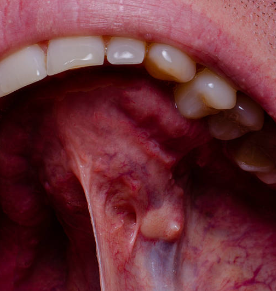
Tonsil Stones: Why White Smelly Lumps Appear in Your Mouth (Causes, Symptoms & Treatment)
Learn what tonsil stones are, why white smelly lumps appear in your mouth, their causes, symptoms, and how to remove them safely at home. Includes prevention tips and medical treatment options.
Introduction: What Are Those White Smelly Lumps in Your Mouth?
If you’ve ever noticed small white or yellowish lumps at the back of your throat that smell bad or cause bad breath, you’re likely dealing with tonsil stones.
These tiny formations can be surprising—and even a little alarming—but in most cases, they are harmless. However, they can cause discomfort, persistent bad breath, and a feeling that something is stuck in your throat.
In medical terms, tonsil stones are known as tonsilloliths, and they form in the crevices of your tonsils.
Let’s understand why they appear, how they form, and what you can do about them.
What Are Tonsil Stones?
Tonsil stones are small hardened deposits that form in the folds (crypts) of your tonsils.
Your tonsils are part of your immune system and sit at the back of your throat. They contain small pockets where:
- Food particles
- Dead cells
- Mucus
- Bacteria
can get trapped.
Over time, this trapped material hardens and calcifies, forming tonsil stones.
Why Do Tonsil Stones Smell Bad?
The unpleasant smell comes from bacteria that thrive inside the stones.
These bacteria produce sulfur compounds, which are responsible for:
- Rotten egg smell
- Bad breath (halitosis)
- Foul taste in the mouth
That’s why even small tonsil stones can cause noticeable odor issues.
Main Causes of Tonsil Stones
Several factors contribute to the formation of tonsil stones:
1. Poor Oral Hygiene
Not brushing or flossing properly allows bacteria and debris to build up.
2. Deep Tonsil Crypts
Some people naturally have larger or deeper tonsil pockets where debris easily gets trapped.
3. Chronic Tonsillitis
Repeated infections can lead to scarred tonsils, increasing stone formation.
4. Post-Nasal Drip
Mucus from the nose can drip into the throat and collect in the tonsils.
5. Dry Mouth
Lack of saliva allows bacteria and debris to accumulate more easily.
6. Diet Factors
Diets high in dairy or processed foods may increase mucus and bacterial growth.
Symptoms of Tonsil Stones
Many people don’t even know they have tonsil stones until symptoms appear.
Common signs include:
- White or yellow lumps on tonsils
- Persistent bad breath
- Metallic or foul taste in mouth
- Sore throat or irritation
- Difficulty swallowing
- Feeling like something is stuck in throat
- Ear pain (referred pain from tonsils)
Are Tonsil Stones Dangerous?
In most cases, tonsil stones are not dangerous.
However, they can cause:
- Chronic bad breath
- Throat discomfort
- Repeated infections (in some cases)
- Anxiety or embarrassment
Only rarely do they require medical intervention.
How to Remove Tonsil Stones at Home (Safe Methods)
If tonsil stones are small and not deeply embedded, you can often remove them safely at home.
1. Gargling Salt Water
A simple and effective method:
- Mix warm water with salt
- Gargle for 20–30 seconds
- Repeat 2–3 times daily
This helps loosen stones and reduce bacteria.
2. Coughing Technique
Sometimes strong coughing can dislodge small stones naturally.
3. Cotton Swab Method (Carefully)
- Use a clean cotton swab
- Gently press near the tonsil area
- Push stones out carefully
⚠️ Be very gentle to avoid injury or gag reflex.
4. Water Flosser (Oral Irrigator)
A low-pressure water stream can flush out debris from tonsil crypts.
5. Good Oral Hygiene Routine
- Brush twice daily
- Clean tongue regularly
- Floss daily
- Use antibacterial mouthwash
Medical Treatments for Tonsil Stones
If tonsil stones are frequent or severe, medical treatments may be needed.
1. Professional Removal
A doctor can remove large stones safely using special tools.
2. Laser Tonsil Cryptolysis
Laser is used to smooth tonsil surfaces, reducing pocket depth.
3. Coblation Cryptolysis
Uses radiofrequency energy to reduce tonsil crypts.
4. Tonsillectomy (Last Resort)
In severe chronic cases, complete removal of tonsils may be recommended.
How to Prevent Tonsil Stones
Prevention is always better than treatment. Here’s how to reduce the risk:
1. Maintain Excellent Oral Hygiene
- Brush teeth twice daily
- Clean tongue regularly
- Floss daily
2. Stay Hydrated
Water helps wash away debris and bacteria.
3. Gargle Regularly
Saltwater or antibacterial mouthwash helps keep tonsils clean.
4. Treat Sinus Issues
Managing post-nasal drip reduces mucus buildup.
5. Avoid Smoking
Smoking increases bacteria and dryness in the mouth.
6. Eat a Balanced Diet
Reduce excessive dairy or sugary foods if they worsen mucus buildup.
Why Some People Get Tonsil Stones More Often
Certain individuals are more prone due to:
- Naturally deep tonsil crypts
- Frequent throat infections
- Allergies or sinus problems
- Weak oral hygiene habits
- Dry mouth conditions
It’s often a combination of anatomy and lifestyle.
When to See a Doctor
You should consult a healthcare professional if you experience:
- Frequent or large tonsil stones
- Severe sore throat
- Difficulty swallowing
- Persistent bad breath despite hygiene
- Bleeding or swelling in tonsils
Common Myths About Tonsil Stones
Myth 1: They are food stuck in your throat
❌ Not true. They are hardened bacterial deposits.
Myth 2: Only sick people get them
❌ Even healthy individuals can develop them.
Myth 3: They are dangerous
❌ Usually harmless unless they become chronic.
Myth 4: Antibiotics can cure them
❌ Antibiotics may reduce infection but do not remove existing stones.
Final Thoughts
Tonsil stones are a common but often misunderstood condition. Those white smelly lumps in your mouth are simply hardened debris and bacteria trapped in your tonsils.
While they can cause bad breath and discomfort, they are usually harmless and manageable with proper oral hygiene and simple home care.
In most cases, consistent brushing, gargling, and hydration are enough to prevent them from coming back.

Hi, I’m Kashif Khan, the creator and writer behind Icwmr.com. I started this website to share my interest in Autos and Smartphones with people who want honest information and practical knowledge. I enjoy researching the latest technologies, reviewing new devices, and simplifying complex topics so that everyone can understand them easily.
