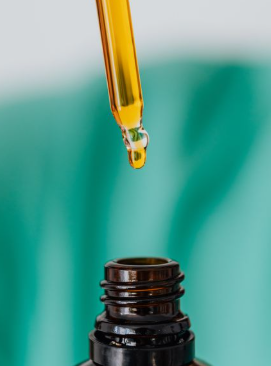
4 Ear Drops Commonly Used for Earwax Buildup: What to Know
Introduction
Earwax, also known as cerumen, is a natural substance produced by glands in the ear canal. While many people view earwax as something that should be removed, it actually serves several important functions. Earwax helps trap dust, debris, and microorganisms, protecting the ear canal and supporting overall ear health.
In most cases, earwax naturally moves out of the ear on its own. However, some individuals experience excessive earwax buildup, which can lead to symptoms such as muffled hearing, ear fullness, itching, discomfort, or ringing in the ears. When this occurs, ear drops are often recommended as a first step to soften and loosen the wax.
Understanding the different types of ear drops available can help you make informed decisions about managing earwax buildup safely. In this article, we’ll explore four commonly used ear drop options, how they work, their potential benefits, and important precautions to keep in mind.
Understanding Earwax Buildup
Before discussing ear drops, it’s helpful to understand why earwax accumulation occurs.
Common causes include:
- Naturally narrow ear canals
- Excessive earwax production
- Use of hearing aids
- Frequent use of earbuds or earphones
- Attempting to clean ears with cotton swabs
- Age-related changes in earwax consistency
Ironically, inserting objects into the ear often pushes wax deeper into the canal, increasing the likelihood of impaction.
Signs of Excessive Earwax
Earwax buildup may cause symptoms such as:
- Reduced hearing
- Feeling of fullness in the ear
- Ear discomfort
- Itching
- Tinnitus (ringing in the ears)
- Dizziness in some cases
- Difficulty hearing conversations
If symptoms are severe or persistent, a healthcare professional should evaluate the condition.
1. Carbamide Peroxide Ear Drops
One of the most commonly used ingredients in over-the-counter earwax removal products is carbamide peroxide.
How It Works
Carbamide peroxide releases oxygen when it comes into contact with earwax.
This bubbling action helps:
- Soften hardened wax
- Break up wax deposits
- Facilitate natural removal
The fizzing sensation experienced during use is generally normal and results from the oxygen-releasing process.
Potential Benefits
- Widely available
- Easy to use
- Effective for many cases of mild to moderate earwax buildup
Important Considerations
Carbamide peroxide products should only be used according to package directions. Individuals with ear pain, drainage, ear injuries, or a known eardrum perforation should seek medical advice before use.
2. Mineral Oil Ear Drops
Mineral oil is another commonly used option for softening earwax.
How It Works
Rather than breaking down wax chemically, mineral oil coats and softens the wax.
This can help:
- Reduce hardness
- Improve natural wax migration
- Make professional removal easier if needed
Potential Benefits
- Gentle on the ear canal
- Often well tolerated
- Readily available
Who May Benefit
Mineral oil is frequently used for people who experience recurrent earwax buildup and need periodic wax softening.
Precautions
Only use products intended for ear care and follow healthcare guidance if symptoms persist.
3. Hydrogen Peroxide Ear Drops
Hydrogen peroxide is another ingredient commonly found in earwax-softening solutions.
How It Works
Hydrogen peroxide creates bubbling and foaming when it contacts earwax.
This reaction may help:
- Loosen wax
- Break apart debris
- Improve wax removal
Potential Benefits
- Accessible and inexpensive
- Frequently included in ear-cleaning products
- May help dissolve minor wax accumulations
Possible Side Effects
Some users experience:
- Temporary irritation
- Mild discomfort
- Tickling sensations
- Temporary bubbling noises
If significant discomfort occurs, discontinue use and consult a healthcare professional.
4. Saline or Water-Based Ear Drops
Simple saline solutions and specially formulated water-based ear drops are also commonly used to soften earwax.
How They Work
Moisture helps hydrate and loosen compacted wax.
As the wax softens, it may naturally move outward from the ear canal.
Potential Benefits
- Gentle option
- Often suitable for routine use
- May be less irritating for some individuals
When They Are Helpful
Water-based ear drops are often used for:
- Mild earwax accumulation
- Preventive maintenance
- Individuals seeking a non-medicated option
Important Note
Water-based products may be less effective for severe or longstanding wax impactions compared to stronger softening agents.
How to Use Ear Drops Safely
Proper technique can improve effectiveness and reduce the risk of complications.
Step 1: Read Instructions Carefully
Always follow the directions provided with the product.
Different formulations may have specific recommendations regarding dosage and duration of use.
Step 2: Warm the Bottle in Your Hands
Holding the bottle for a few minutes may make the drops more comfortable.
Avoid heating products directly.
Step 3: Position Your Head Correctly
Tilt your head so the affected ear faces upward.
Apply the recommended number of drops.
Step 4: Remain Still
Keep the ear facing upward for several minutes to allow the solution to reach the wax.
Step 5: Allow Natural Drainage
After the recommended time, sit upright and gently wipe away any excess fluid.
Avoid inserting cotton swabs or other objects into the ear canal.
What Not to Do When Treating Earwax
Many ear injuries occur because people attempt unsafe removal methods.
Avoid:
- Cotton swabs
- Hairpins
- Toothpicks
- Ear candles
- Sharp objects
- Aggressive flushing without guidance
These methods may push wax deeper or damage the ear canal and eardrum.
When to See a Healthcare Professional
Ear drops are not appropriate in every situation.
Seek medical evaluation if you experience:
- Severe ear pain
- Ear drainage
- Bleeding
- Sudden hearing loss
- Persistent dizziness
- Suspected ear infection
- Symptoms that do not improve
Professional removal may be necessary in some cases.
Can Earwax Removal Improve Hearing?
If hearing difficulties are caused by excessive earwax, removing the blockage may improve hearing.
However, hearing loss can have many causes.
Persistent hearing problems should be evaluated by a healthcare professional to determine the underlying reason.
Preventing Future Earwax Buildup
While earwax production is natural, some habits may help reduce excessive accumulation.
Avoid Cotton Swabs
These often push wax deeper into the canal.
Use Earbuds Sparingly
Extended use may contribute to wax impaction in some individuals.
Follow Professional Recommendations
People who experience recurring buildup may benefit from individualized ear-care guidance.
Schedule Regular Checkups
Individuals who wear hearing aids or have a history of wax impaction may benefit from periodic ear examinations.
Frequently Asked Questions
Are Ear Drops Safe for Everyone?
Not always. Individuals with ear infections, ear injuries, or a perforated eardrum should seek medical advice before using ear drops.
How Long Do Ear Drops Take to Work?
Results vary depending on the amount and consistency of the earwax. Some people notice improvement within a few days.
Can Earwax Go Away on Its Own?
Yes. In many cases, the ear naturally removes excess wax without treatment.
Is Earwax Harmful?
Earwax is generally beneficial and helps protect the ear canal. Problems typically occur only when excessive buildup causes symptoms.
Conclusion
Earwax plays an important role in protecting the ears, but excessive accumulation can sometimes lead to discomfort and hearing difficulties. Ear drops are often a safe and effective first-line option for softening and loosening earwax when used correctly.
Commonly used options include carbamide peroxide, mineral oil, hydrogen peroxide, and saline-based solutions. Each works differently, and the best choice may depend on individual needs and the severity of the buildup.
While many cases of earwax accumulation can be managed at home, persistent symptoms, significant discomfort, or concerns about hearing should always be evaluated by a qualified healthcare professional. Understanding how ear drops work and using them responsibly can help support healthy ears and reduce the risk of complications.

Hi, I’m Kashif Khan, the creator and writer behind Icwmr.com. I started this website to share my interest in Autos and Smartphones with people who want honest information and practical knowledge. I enjoy researching the latest technologies, reviewing new devices, and simplifying complex topics so that everyone can understand them easily.
