Drinks That May Help Support Joint, Leg, and Back Comfort
Introduction
Discomfort in the joints, legs, and back is extremely common, especially with aging, long hours of sitting, physical strain, or conditions like inflammation and stiffness. While no drink can “cure” pain on its own, certain beverages contain nutrients and natural compounds that may help support joint flexibility, reduce inflammation, and promote overall musculoskeletal comfort.
The key idea is not quick relief, but long-term support for the body’s natural healing and mobility systems. Hydration, antioxidants, and anti-inflammatory compounds all play an important role in keeping joints, muscles, and connective tissues healthy.
In this article, we’ll explore drinks that may help support joint, leg, and back comfort and how they can be included in a daily routine.
1. Water (The Foundation of Joint Health)
Water is the most essential drink for maintaining joint and muscle function.
How it helps:
- Keeps joints lubricated
- Supports spinal disc hydration
- Helps transport nutrients to tissues
- Assists in flushing out waste products
Why it matters:
Dehydration can make joints feel stiff and muscles feel more tense, especially in the back and legs.
👉 Tip: Consistent hydration throughout the day is more effective than drinking large amounts at once.
2. Turmeric Milk (Golden Milk)
Turmeric contains curcumin, a natural compound known for its anti-inflammatory properties.
Potential benefits:
- May help reduce inflammation in joints
- Supports muscle relaxation
- May improve stiffness and discomfort
Why it’s useful:
Chronic inflammation is often linked with joint and back discomfort, and turmeric may help support the body’s natural response.
3. Ginger Tea
Ginger is widely used in traditional wellness practices for pain and inflammation support.
How it may help:
- May reduce muscle soreness
- Supports circulation
- Helps ease stiffness in joints
Best way to use:
Fresh ginger slices steeped in hot water make a simple and effective tea.
4. Green Tea
Green tea is rich in antioxidants called catechins.
Potential benefits:
- Helps fight oxidative stress
- May support joint tissue health
- Supports overall inflammation balance
Extra advantage:
It contains mild caffeine, which may help improve alertness and circulation.
5. Beetroot Juice
Beetroot juice is known for improving blood flow due to its natural nitrates.
How it supports comfort:
- May improve oxygen delivery to muscles
- Supports endurance and recovery
- Helps reduce muscle fatigue
Why it matters:
Better circulation can help reduce heaviness in legs and support muscle recovery in the back.
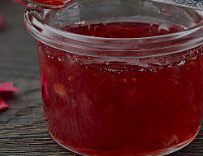
6. Pomegranate Juice
Pomegranate juice is packed with antioxidants and polyphenols.
Benefits:
- Supports joint tissue protection
- May reduce inflammation
- Helps maintain healthy blood flow
Additional note:
It is often included in diets aimed at long-term joint health support.
7. Bone Broth
Bone broth is made by simmering bones and connective tissues to extract nutrients.
Key nutrients:
- Collagen
- Gelatin
- Amino acids
Potential benefits:
- May support cartilage health
- Helps maintain joint flexibility
- Supports connective tissue repair
While research is ongoing, many people include it in joint-support diets.
8. Chamomile Tea
Chamomile is known for its calming and mild anti-inflammatory properties.
How it may help:
- Helps relax muscles
- Supports better sleep (important for recovery)
- May reduce tension-related discomfort
Why sleep matters:
Good sleep is essential for muscle recovery and reducing back and joint tension.
9. Pineapple Juice
Pineapple contains bromelain, an enzyme linked to inflammation support.
Potential benefits:
- May help reduce swelling
- Supports digestion and recovery
- May assist with mild muscle soreness
Best use:
Fresh, natural pineapple juice is preferred over processed versions.
10. Cinnamon Water
Cinnamon has warming and antioxidant properties.
How it may help:
- Supports circulation
- May help reduce inflammation
- Provides gentle warming effect to muscles
Simple preparation:
Add a cinnamon stick to warm water and let it steep.
Lifestyle Tips for Joint, Leg, and Back Comfort
Drinks are helpful, but lifestyle habits are equally important:
- Stay physically active with low-impact exercises
- Stretch daily to improve flexibility
- Avoid sitting for long periods
- Maintain healthy body weight
- Use proper posture while sitting and standing
- Apply heat or cold therapy when needed
Signs You Should Not Ignore
If discomfort persists, it may indicate an underlying issue. Seek medical advice if you experience:
- Severe or long-lasting back pain
- Swelling in joints
- Numbness or tingling in legs
- Difficulty walking or standing
- Pain that worsens over time
Conclusion
Drinks alone cannot treat joint, leg, or back problems, but they can play a supportive role in maintaining overall musculoskeletal health. Hydration, antioxidants, and natural anti-inflammatory compounds found in beverages like turmeric milk, ginger tea, green tea, and beetroot juice may help support comfort and mobility when combined with a healthy lifestyle.
For best results, these drinks should be part of a balanced routine that includes movement, proper posture, and good nutrition. If symptoms persist or worsen, professional medical evaluation is always recommended.
A consistent, holistic approach is the key to maintaining long-term joint and back comfort.

Hi, I’m Kashif Khan, the creator and writer behind Icwmr.com. I started this website to share my interest in Autos and Smartphones with people who want honest information and practical knowledge. I enjoy researching the latest technologies, reviewing new devices, and simplifying complex topics so that everyone can understand them easily.
