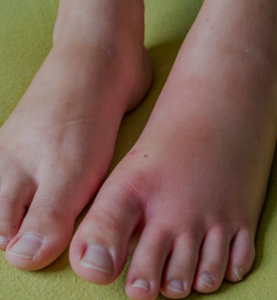
Swollen Hands and Feet: Common Causes, Symptoms & Warning Signs (Complete Guide)
Swelling in the hands and feet is a common health complaint that many people experience at different points in life. Sometimes it is temporary and harmless, such as after standing for long hours or eating salty food. In other cases, it may signal an underlying medical condition that requires attention.
This comprehensive guide explains the common causes of swollen hands and feet, associated symptoms, warning signs, and when to seek medical help. It is written to help you understand what your body may be trying to tell you and how to respond appropriately.
What Does Swelling in Hands and Feet Mean?
Swelling in the hands, feet, ankles, or legs is medically known as edema. It occurs when excess fluid builds up in the body’s tissues. This fluid retention can make the affected area look puffy, feel tight, or even painful.
Edema can be:
- Mild and temporary, such as after long travel or heat exposure
- Chronic and persistent, linked to underlying health conditions
- Localized, affecting only one area
- Generalized, affecting multiple parts of the body
Understanding the type of swelling is important for identifying its cause.
Common Causes of Swollen Hands and Feet
There are many possible reasons for swelling. Some are harmless and temporary, while others may require medical treatment.
1. Excess Salt Intake
One of the most common causes is consuming too much sodium. Salt causes the body to retain water, leading to swelling in the extremities.
Typical signs:
- Puffiness in fingers and toes
- Mild weight gain
- Feeling of tightness in shoes or rings
Reducing processed foods, chips, and fast food often helps improve symptoms.
2. Prolonged Sitting or Standing
Long periods of inactivity can slow blood circulation, causing fluid to accumulate in the lower parts of the body.
Common situations include:
- Long-distance travel (bus, car, or flight)
- Office jobs with limited movement
- Standing for extended hours
This type of swelling usually improves with movement or elevation of the legs.
3. Heat and Weather Conditions
Hot weather can cause blood vessels to expand, allowing fluid to leak into surrounding tissues.
Symptoms include:
- Swollen feet and ankles during summer
- Heaviness in legs
- Temporary puffiness in hands
This condition often improves in cooler environments.
4. Pregnancy
Swelling during pregnancy is very common, especially in the third trimester. The body produces extra fluid to support the baby, and growing pressure on blood vessels can slow circulation.
Normal pregnancy swelling:
- Mild swelling in hands, feet, and ankles
- Worse in hot weather or at the end of the day
However, sudden or severe swelling may indicate preeclampsia, which requires immediate medical care.
5. Injuries or Inflammation
Sprains, fractures, or infections can cause localized swelling as part of the body’s healing response.
Associated symptoms:
- Pain or tenderness
- Redness and warmth
- Limited movement
This type of swelling is usually confined to one area.
6. Allergic Reactions
Allergies to food, medication, insect bites, or environmental triggers can cause sudden swelling.
Symptoms may include:
- Swollen hands, feet, lips, or face
- Itching or rash
- In severe cases, difficulty breathing
Severe allergic reactions (anaphylaxis) require emergency treatment.
7. Poor Circulation
Conditions that affect blood flow can lead to fluid buildup in the extremities.
Examples include:
- Chronic venous insufficiency
- Peripheral artery disease
Symptoms:
- Swelling in lower legs and feet
- Aching or heaviness
- Visible veins or skin discoloration
8. Kidney Disorders
The kidneys help remove excess fluid and waste from the body. When they are not functioning properly, fluid retention can occur.
Possible signs:
- Swelling in feet, ankles, and around the eyes
- Changes in urination (frequency or color)
- Fatigue
Kidney-related swelling should always be evaluated by a doctor.
9. Heart Conditions
Heart problems can reduce the heart’s ability to pump blood efficiently, causing fluid to accumulate in the legs and feet.
This may be linked to heart failure.
Warning signs include:
- Swelling in both feet and ankles
- Shortness of breath
- Fatigue
- Rapid weight gain
This condition requires urgent medical attention.
10. Liver Disease
The liver helps regulate proteins and fluid balance. Liver damage can lead to fluid leakage into tissues.
Symptoms may include:
- Swollen abdomen (ascites)
- Swollen legs and feet
- Yellowing of skin or eyes (jaundice)
11. Medications
Some medications can cause swelling as a side effect.
Common types include:
- Blood pressure medications (calcium channel blockers)
- Steroids
- Hormone therapies (estrogen)
- Certain antidepressants
If swelling starts after a new medication, consult a healthcare provider.
12. Lymphedema
Lymphedema occurs when the lymphatic system is blocked or damaged, preventing proper drainage of fluid.
Symptoms:
- Persistent swelling in one or both limbs
- Heaviness or tightness
- Reduced flexibility
It may develop after surgery, infection, or cancer treatment.
Symptoms That Often Accompany Swelling
Swelling rarely occurs alone. Paying attention to accompanying symptoms can help identify the cause.
Common associated symptoms:
- Tight or stretched skin
- Difficulty moving fingers or toes
- Indentations when pressing the swollen area
- Pain or discomfort
- Warmth or redness
Warning Signs You Should Never Ignore
While mild swelling is often harmless, certain symptoms may indicate a serious condition.
Seek medical help immediately if you notice:
🚨 Sudden or severe swelling
Especially if it appears quickly without an obvious cause.
🚨 Swelling with shortness of breath
This may indicate heart or lung issues.
🚨 Chest pain or pressure
Could signal a cardiovascular emergency.
🚨 One-sided swelling
May suggest a blood clot (deep vein thrombosis).
🚨 Swelling with fever or redness
Could indicate infection.
🚨 Swelling during pregnancy with headaches or vision changes
May indicate preeclampsia.
How Swelling Is Diagnosed
Doctors may use several methods to determine the cause:
- Physical examination
- Blood tests (kidney, liver, heart function)
- Urine tests
- Ultrasound or imaging
- Heart tests (ECG, echocardiogram)
Accurate diagnosis is important because treatment depends on the underlying cause.
Home Remedies and Self-Care Tips
If swelling is mild and not caused by a serious condition, the following steps may help:
1. Reduce Salt Intake
Avoid processed and packaged foods.
2. Stay Active
Regular walking improves circulation.
3. Elevate Your Feet
Raising legs above heart level helps drain fluid.
4. Drink Enough Water
Proper hydration helps balance fluid levels.
5. Wear Comfortable Clothing
Avoid tight shoes or restrictive clothing.
6. Massage and Movement
Gentle massage can stimulate lymphatic drainage.
7. Compression Socks
Useful for people who stand or sit for long hours.
Medical Treatment Options
Treatment depends on the cause:
- Diuretics (water pills) for fluid removal
- Treatment of underlying disease (heart, kidney, liver conditions)
- Antihistamines for allergic reactions
- Antibiotics for infections
- Physical therapy for lymphatic issues
Never self-medicate without professional advice.
Prevention Tips
You can reduce the risk of swelling by:
- Maintaining a balanced, low-sodium diet
- Exercising regularly
- Avoiding long periods of inactivity
- Managing chronic conditions like diabetes or hypertension
- Monitoring medication side effects
- Staying hydrated
Final Thoughts
Swollen hands and feet are common and often harmless, but they should never be ignored when they occur frequently, worsen over time, or appear with other symptoms.
Understanding the possible causes of edema, recognizing warning signs, and adopting healthy lifestyle habits can help you manage or even prevent swelling effectively.
If swelling persists or is accompanied by serious symptoms, consulting a healthcare professional is essential for proper diagnosis and treatment.

Hi, I’m Kashif Khan, the creator and writer behind Icwmr.com. I started this website to share my interest in Autos and Smartphones with people who want honest information and practical knowledge. I enjoy researching the latest technologies, reviewing new devices, and simplifying complex topics so that everyone can understand them easily.
