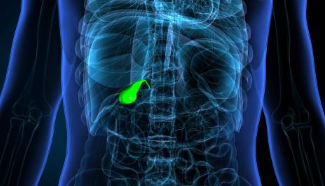
After Gallbladder Removal: Possible Conditions You Should Know
Introduction
Gallbladder removal surgery, medically known as a cholecystectomy, is a common procedure performed to treat gallstones, inflammation, or infection of the gallbladder. For many people, the surgery provides long-term relief from pain and digestive issues. However, the body does go through adjustments afterward, since the gallbladder plays a role in storing and releasing bile that helps digest fats.
After surgery, most people live healthy, normal lives. Still, some may experience digestive changes or develop certain post-surgery conditions. Understanding these possible effects can help you manage symptoms early and know when to seek medical advice.
This guide explains the most common conditions and changes that may occur after gallbladder removal, along with symptoms, causes, and helpful management strategies.
What Happens After Gallbladder Removal?
The gallbladder stores bile produced by the liver and releases it into the small intestine when needed, especially after eating fatty foods. After removal, bile flows directly from the liver into the intestine in a continuous, less concentrated stream.
This change in bile flow can affect digestion, particularly in the early weeks or months after surgery. Most people adapt over time, but some experience ongoing digestive symptoms.
1. Post-Cholecystectomy Syndrome
One of the most commonly discussed conditions after gallbladder removal is Post-Cholecystectomy Syndrome (PCS).
This term refers to a group of symptoms that continue or develop after surgery.
Possible Symptoms:
- Abdominal pain
- Bloating
- Indigestion
- Nausea
- Diarrhea
- Fatty food intolerance
Possible Causes:
- Bile flow changes
- Small bile duct stones
- Sphincter of Oddi dysfunction
- Digestive system sensitivity
PCS is not a single disease but a collection of symptoms that may require medical evaluation.
2. Bile Acid Diarrhea
After gallbladder removal, bile flows more continuously into the intestines. In some people, this excess bile can irritate the colon and lead to bile acid diarrhea.
Symptoms:
- Frequent loose stools
- Urgency after eating
- Watery diarrhea
- Abdominal cramping
Why It Happens:
Without the gallbladder regulating bile release, more bile may reach the intestines than needed for digestion. This can stimulate bowel movements and increase water secretion in the colon.
Management Options:
- Low-fat diet
- Small, frequent meals
- Medications that bind bile acids (prescribed by a doctor)
3. Indigestion and Bloating
Digestive discomfort is common during the adjustment period after surgery.
Symptoms:
- Fullness after meals
- Gas and bloating
- Mild stomach discomfort
- Belching
Causes:
- Reduced fat digestion efficiency
- Changes in gut bacteria
- Sensitivity to fatty or heavy meals
Most people notice improvement over several weeks or months as the body adapts.
4. Fat Malabsorption
Since bile plays a key role in breaking down fats, some individuals may experience difficulty digesting fatty foods after gallbladder removal.
Symptoms:
- Greasy or foul-smelling stools
- Floating stools
- Diarrhea after fatty meals
- Weight changes in some cases
Helpful Adjustments:
- Avoid very high-fat meals
- Choose healthy fats in moderation (olive oil, nuts, avocado)
- Increase fiber intake
- Eat smaller portions of fat per meal
5. Sphincter of Oddi Dysfunction
The Sphincter of Oddi is a muscular valve that controls the flow of bile and pancreatic juices into the small intestine.
After gallbladder removal, this valve may sometimes function abnormally, leading to pain and digestive issues.
Symptoms:
- Upper abdominal pain (especially after eating)
- Nausea
- Bloating
- Pain that may radiate to the back
Note:
This condition is relatively uncommon but may require specialized diagnosis and treatment.
6. Bile Reflux Gastritis
In some cases, bile may flow backward into the stomach, causing irritation known as bile reflux gastritis.
Symptoms:
- Burning stomach pain
- Nausea or vomiting bile
- Bitter taste in mouth
- Upper abdominal discomfort
Difference from Acid Reflux:
Unlike acid reflux, bile reflux involves bile rather than stomach acid, though symptoms may feel similar.
7. Changes in Bowel Habits
Many people notice changes in bowel movements after gallbladder removal.
Possible Changes:
- More frequent stools
- Softer stool consistency
- Occasional diarrhea or urgency
- Temporary constipation in some cases
These changes are usually temporary but may persist in some individuals.
8. Nutrient Absorption Changes
While rare, long-term changes in fat digestion can affect absorption of certain nutrients.
Nutrients That May Be Affected:
- Fat-soluble vitamins (A, D, E, K)
- Essential fatty acids
Signs of Deficiency (if severe or prolonged):
- Fatigue
- Dry skin
- Weak immunity
- Bone weakness (in vitamin D deficiency)
Most people do not experience significant deficiencies, but a balanced diet helps support recovery.
9. Weight Changes After Surgery
Weight changes after gallbladder removal vary from person to person.
Possible Weight Loss Causes:
- Dietary restrictions
- Reduced appetite
- Fat intolerance
Possible Weight Gain Causes:
- Improved comfort after surgery leading to increased eating
- High-calorie food choices
- Reduced digestive sensitivity over time
Balanced eating and portion control can help maintain a stable weight.
10. Temporary Food Intolerances
After surgery, some people may become temporarily sensitive to certain foods.
Common Triggers:
- Fried foods
- High-fat dairy products
- Spicy foods
- Processed meals
These sensitivities often improve gradually as the digestive system adapts.
How to Manage Symptoms After Gallbladder Removal
Most post-surgery digestive issues can be managed with simple lifestyle adjustments.
Eat a Low-Fat Diet
Reducing fat intake helps ease the digestive workload.
Choose Smaller Meals
Smaller, more frequent meals are easier to digest than large portions.
Stay Hydrated
Proper hydration supports digestion and bowel regularity.
Increase Fiber Gradually
Fiber helps regulate bowel movements but should be increased slowly.
Avoid Trigger Foods
Pay attention to foods that worsen symptoms and limit them as needed.
Stay Physically Active
Light exercise like walking can improve digestion and overall recovery.
When to See a Doctor
Although mild digestive changes are common, medical attention is recommended if you experience:
- Persistent or severe abdominal pain
- Chronic diarrhea lasting weeks
- Unexplained weight loss
- Jaundice (yellowing of skin or eyes)
- Vomiting bile frequently
- Severe bloating or digestive distress
A healthcare provider can perform tests to rule out complications and recommend treatment.
Frequently Asked Questions
Is life normal after gallbladder removal?
Yes. Most people live completely normal lives after recovery, with only minor dietary adjustments in some cases.
How long do digestive issues last after surgery?
For many people, symptoms improve within a few weeks to months as the body adapts.
Can I eat fatty foods after gallbladder removal?
Yes, but it’s best to reintroduce fats gradually and in moderation to avoid discomfort.
Do all patients experience post-cholecystectomy syndrome?
No. Only a small percentage of people experience ongoing symptoms after surgery.
Final Thoughts
Gallbladder removal is a safe and effective procedure that helps relieve painful conditions like gallstones and inflammation. While most people recover smoothly, some may experience digestive changes such as diarrhea, bloating, fat intolerance, or temporary food sensitivities.
The good news is that the body usually adapts over time. With mindful eating habits, gradual dietary adjustments, and healthy lifestyle choices, most post-surgery symptoms can be managed effectively.
If symptoms persist or worsen, medical evaluation is important to rule out underlying conditions and ensure proper treatment. Understanding what to expect after gallbladder removal can make recovery smoother and help you regain comfort and confidence in your daily diet.

Hi, I’m Kashif Khan, the creator and writer behind Icwmr.com. I started this website to share my interest in Autos and Smartphones with people who want honest information and practical knowledge. I enjoy researching the latest technologies, reviewing new devices, and simplifying complex topics so that everyone can understand them easily.
