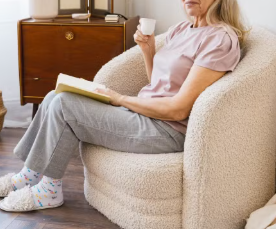
I’m 73, Living Alone and Feeling Fulfilled: 4 Tips That Work for Me
Introduction
Living alone in your 70s is something many people assume must feel lonely or difficult. But that assumption doesn’t always match reality. For many older adults, living alone can actually become a season of peace, independence, and self-understanding.
At 73, life is no longer about rushing, proving anything, or meeting everyone else’s expectations. It becomes more about rhythm, comfort, health, and meaningful daily living. The quiet moments that once felt empty can start to feel calming. The routines that once felt ordinary can become grounding.
Of course, living alone also comes with real challenges. There are days when silence feels heavier, when motivation dips, or when simple tasks feel more effortful than before. But with the right habits and mindset, living alone can be not only manageable—but deeply fulfilling.
In this article, I’ll share four practical, experience-based tips that help create structure, meaning, and emotional balance while living alone at 73. These are not complicated life hacks or extreme routines. They are simple, realistic practices that support well-being, independence, and peace of mind.
1. I Build a Gentle Daily Routine (Without Over-Scheduling My Life)
One of the most important lessons I’ve learned is that routine matters—but rigidity does not.
When you live alone, days can sometimes blend into each other. Without structure, it’s easy to lose track of time, skip meals, or spend too much time sitting without intention. On the other hand, over-scheduling can make life feel stressful or exhausting.
So the balance I aim for is a gentle routine—a predictable rhythm without pressure.
Why a Routine Helps at This Stage of Life
A simple daily structure supports both physical and mental health. It helps me:
- Wake up and sleep at consistent times
- Maintain regular meals
- Stay active without forcing intense exercise
- Reduce decision fatigue
- Feel a sense of stability and control
At 73, I’ve realized that structure doesn’t limit freedom—it actually protects it.
What My Daily Rhythm Looks Like
I don’t follow a strict timetable, but my day usually includes:
- A calm morning start without rushing
- Light movement or stretching
- A proper breakfast (not skipped or delayed)
- A short walk or indoor activity
- Simple household tasks spread out during the day
- A relaxing evening routine with low stimulation
The key is consistency, not perfection.
The Most Important Change I Made
Earlier, I used to treat every day as “open time,” with no structure at all. Over time, that led to low energy and lack of motivation.
Now, even small anchors in the day—like morning tea at the same time or an afternoon walk—help me stay grounded.
It’s not about being busy. It’s about being steady.
2. I Stay Connected, But I Don’t Depend on Constant Company
Living alone doesn’t mean being disconnected from others. But I’ve learned that healthy connection looks different at this stage of life.
Instead of constant social interaction, I focus on meaningful, balanced communication.
The Difference Between Loneliness and Solitude
There is a big difference between:
- Loneliness: feeling emotionally disconnected or unseen
- Solitude: choosing peaceful time alone with comfort
At 73, I’ve come to appreciate solitude deeply. But I also understand the importance of staying socially connected in simple, manageable ways.
How I Stay Socially Connected
I don’t try to overcomplicate my social life. Instead, I focus on:
- Regular phone calls with family or friends
- Short conversations with neighbors or local shopkeepers
- Occasional visits or meetups when possible
- Checking in on others and allowing them to check in on me
Even small interactions matter more than people think.
What I Avoid
I’ve learned not to:
- Force social interactions out of guilt
- Compare my social life to younger years
- Rely only on passive entertainment for connection
- Isolate myself for long periods without contact
Balance is the goal—not social overload or complete withdrawal.
Why This Works for Me
Staying lightly connected helps me feel part of the world without losing the peace of living alone. It prevents isolation but still protects independence.
3. I Take Care of My Home Because It Takes Care of Me
When you live alone, your home becomes more than just a place. It becomes your environment, your comfort zone, and your daily companion.
I’ve learned that a clean, organized, and comfortable home has a direct impact on emotional well-being.
Why the Home Environment Matters More With Age
As we get older, we spend more time at home. That means:
- Clutter affects mood more strongly
- Small discomforts feel more noticeable
- Safety and accessibility become important
- Comfort influences energy levels
A well-maintained home supports both physical safety and mental calmness.
My Simple Home Care Approach
I don’t try to do everything at once. Instead, I break tasks into small, manageable actions:
- Light cleaning every day instead of deep cleaning all at once
- Washing dishes immediately instead of letting them pile up
- Keeping frequently used items within easy reach
- Decluttering one small area at a time
- Maintaining good lighting and ventilation
This keeps things manageable without exhaustion.
Creating Comfort, Not Perfection
I no longer aim for a “perfect” home. Instead, I aim for a comfortable one.
That means:
- A favorite chair that feels good to sit in
- A tidy sleeping area that promotes rest
- Easy access to water, snacks, and essentials
- A space that feels calm, not chaotic
The goal is to make daily life easier, not more demanding.
Emotional Benefit
Interestingly, taking care of my home also helps me feel more emotionally balanced. A clean space reduces mental clutter, and that matters more than I expected.
4. I Keep My Mind Active With Simple, Enjoyable Learning
One of the biggest misconceptions about aging is that learning slows down or stops. My experience has been the opposite.
I’ve found that keeping the mind engaged is one of the most powerful ways to maintain a sense of purpose and fulfillment.
Why Mental Activity Matters
Keeping the brain active helps with:
- Memory retention
- Focus and clarity
- Emotional well-being
- Confidence in daily tasks
- A sense of purpose
Even small mental activities can make a big difference over time.
What I Do to Stay Mentally Engaged
I don’t try to study anything intense or stressful. Instead, I focus on enjoyable, light learning such as:
- Reading books or articles that interest me
- Watching informative programs
- Learning small practical skills
- Solving puzzles or simple brain games
- Reflecting on memories or writing thoughts down
The key is enjoyment, not pressure.
Learning Without Stress
At this stage, learning should feel refreshing—not like homework.
I avoid:
- Overloading myself with too much information
- Comparing my learning pace with others
- Forcing complex goals or deadlines
Instead, I follow curiosity. If something interests me, I explore it.
The Hidden Benefit
Staying mentally active also improves my emotional outlook. It gives me something to look forward to each day, even in small ways.
Additional Reflections: What Living Alone Has Taught Me
Beyond these four habits, living alone at 73 has taught me several important life lessons.
Peace Can Be Created
Peace is not something that just happens—it is something you build through habits, environment, and mindset.
Independence Is a Skill
Living alone strengthens problem-solving, adaptability, and self-reliance.
Small Things Matter More
A good meal, a clean room, a phone call, or a short walk can have a bigger emotional impact than major events.
Time Feels Different Now
Instead of rushing through life, I’ve learned to experience time more fully and calmly.
Common Challenges and How I Handle Them
Living alone isn’t always easy. There are challenges, but they can be managed.
Low Energy Days
On slower days, I reduce expectations and focus only on basics like meals, rest, and light activity.
Feelings of Isolation
When I feel disconnected, I reach out—sometimes just a short conversation is enough.
Motivation Dips
I don’t rely on motivation. I rely on routine, even if it’s minimal.
Final Thoughts
Living alone at 73 doesn’t have to mean loneliness or decline. With the right habits, it can be a period of calm independence, emotional stability, and personal fulfillment.
For me, the key has been simple:
- A gentle daily routine
- Balanced social connection
- A comfortable, cared-for home
- An active and curious mind
These four practices don’t require special resources or major effort. They are small, consistent choices that shape how each day feels.
Fulfillment at this stage of life isn’t about doing more—it’s about doing what matters, at a pace that feels right.
And sometimes, a quiet life lived with intention is more meaningful than a busy one lived without it.

Hi, I’m Kashif Khan, the creator and writer behind Icwmr.com. I started this website to share my interest in Autos and Smartphones with people who want honest information and practical knowledge. I enjoy researching the latest technologies, reviewing new devices, and simplifying complex topics so that everyone can understand them easily.
